
Project Delivery Rest
For teams embarking on a large project. Leadership Roadmap Session.
Are you a leader who...
Major projects don't fail because of poor strategy.
They fail because businesses try to deliver complex change through overloaded teams, competing priorities and unclear leadership alignment.
The Project Delivery Reset is a high-intensity day for leadership teams who need to get honest about what their business can absorb, sequence the next major project properly, and improve delivery without sacrificing BAU.
Whether you're implementing a new ERP, migrating ecom sites, upgrading mar-tech, changing logistics providers, introducing automation or leading organisational transformation, the greatest risk isn't usually the project itself.
It's the organisation's ability to absorb and metabolise change.
Are you a leader who...
Knows the last project was technically delivered, but the business is still recovering?
Can see the next critical project on the horizon but worries your team doesn't have the bandwidth?
Needs to justify the next investment to the board while feeling uncertain about delivery success?
Is concerned that vendors are shaping the roadmap more than the business itself?
Knows leadership alignment will determine success or failure?
Feels like everyone is busy, but no one is clear on what matters most?
If so, you're not alone.
Global transformation studies continue to show that most major change initiatives fail to achieve their intended outcomes - not because of poor ideas, but because of execution challenges, capacity constraints and change fatigue.
The real problem
Most organisations believe they have a project problem.
What they actually have is a delivery system problem.
Projects rarely fail because the software was wrong.
Projects fail because:
Too many priorities compete for attention
Leadership teams aren't aligned on trade-offs
Decision rights are unclear
Business-as-usual work is underestimated
Capacity constraints remain invisible
Data and integration issues emerge too late
Teams are expected to absorb more change than they realistically can
AI and automation produce wordy information creating the appearance of alignment without conversations that ground change in real understanding.
The Project Delivery Reset helps leaders see what is happening beneath the surface before it becomes expensive.
Think of it like an iceberg. Most organisations focus only on what they can see above the waterline.
The reset work goes beneath the surface to identify the hidden risks, constraints and assumptions that could derail your next major initiative.
What you'll gain from this reset
By the end of the session, your leadership team will have:
Shared clarity
A common understanding of current priorities, project load and organisational capacity.
Executive alignment
Clear agreement on what matters most and what needs to change.
Realistic sequencing
Confidence that the next project can be delivered without compromising operational performance.
Better governance
Stronger sponsorship, decision-making and accountability structures.
Practical commitments
Concrete actions and leadership behaviours that improve project outcomes immediately.
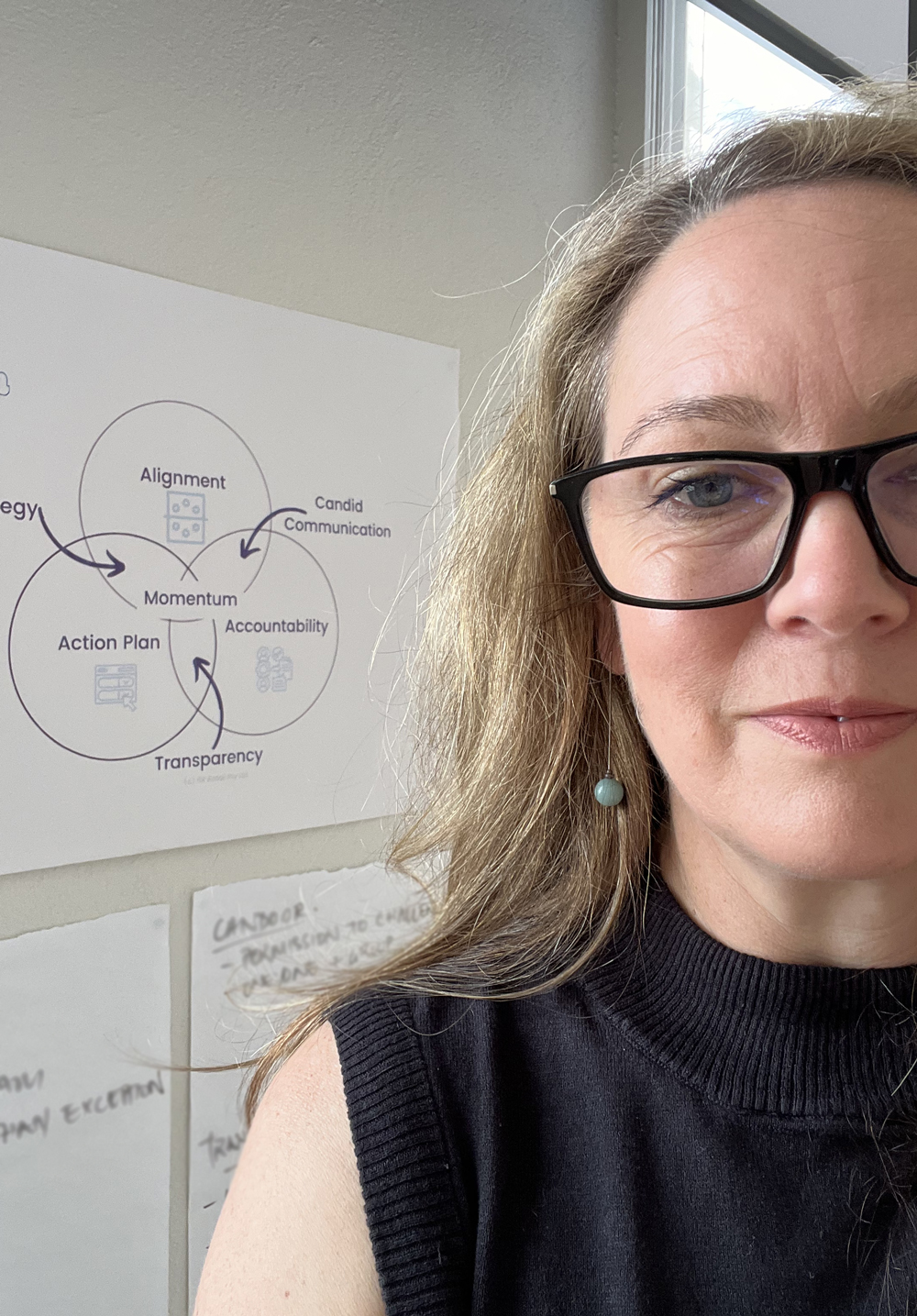
Most importantly, leaders leave the room believing in the roadmap because they helped create it.
The Project Delivery Reset Framework
An intensive day built specifically for executive teams and business leaders who need aligned direction on strategic projects:

Stage 1: Expose
Real Constraints
We surface the hidden load already impacting delivery:
Capacity limitations
Sponsorship gaps
BAU pressure
Cross-functional friction
Delivery risks
Data and systems issues

Stage 2: Sequence
Clear Priorities
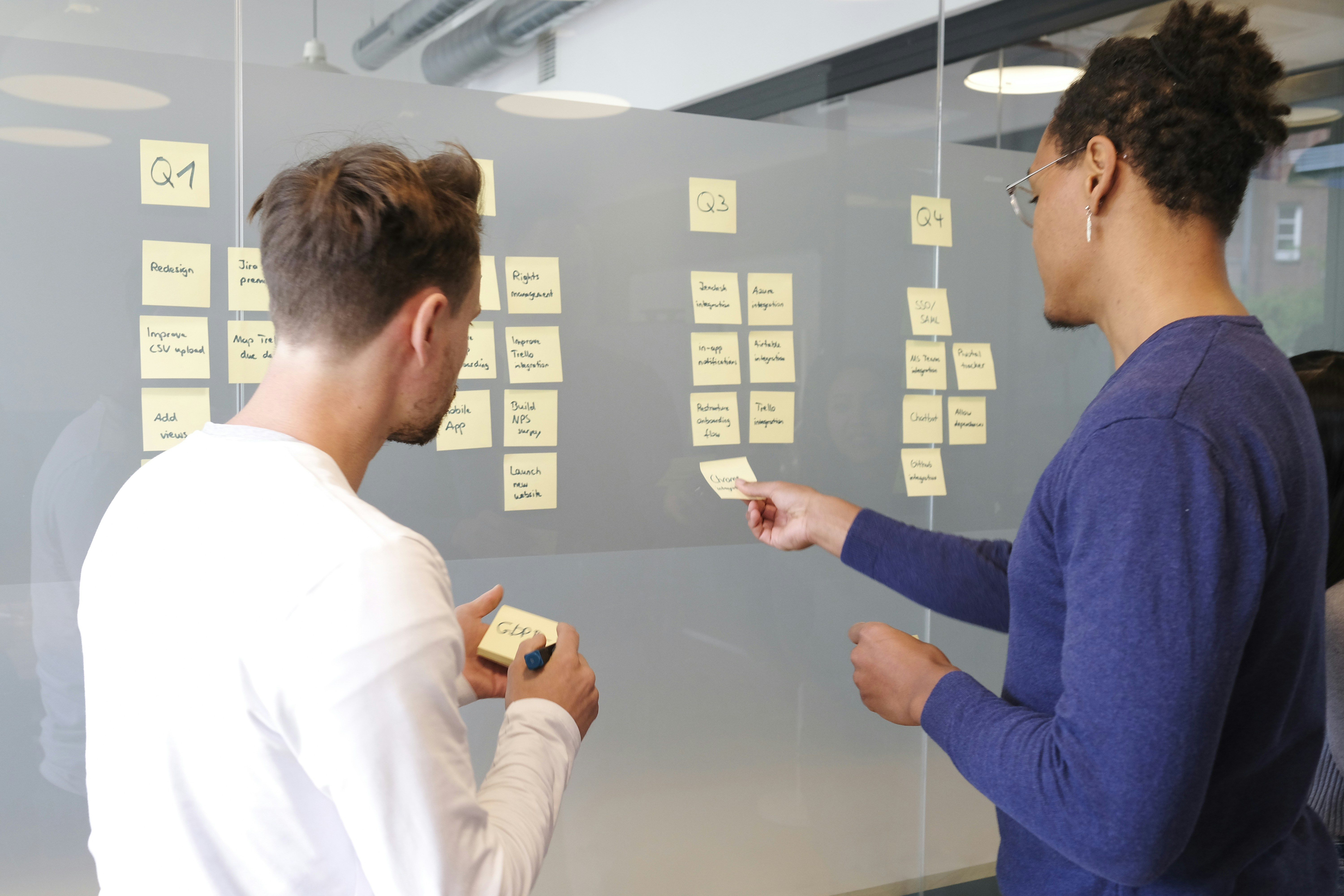
We convert constraints into priorities:
What matters most?
What must wait?
What should stop?
What needs protecting?
What are we missing?
How do we deliver?
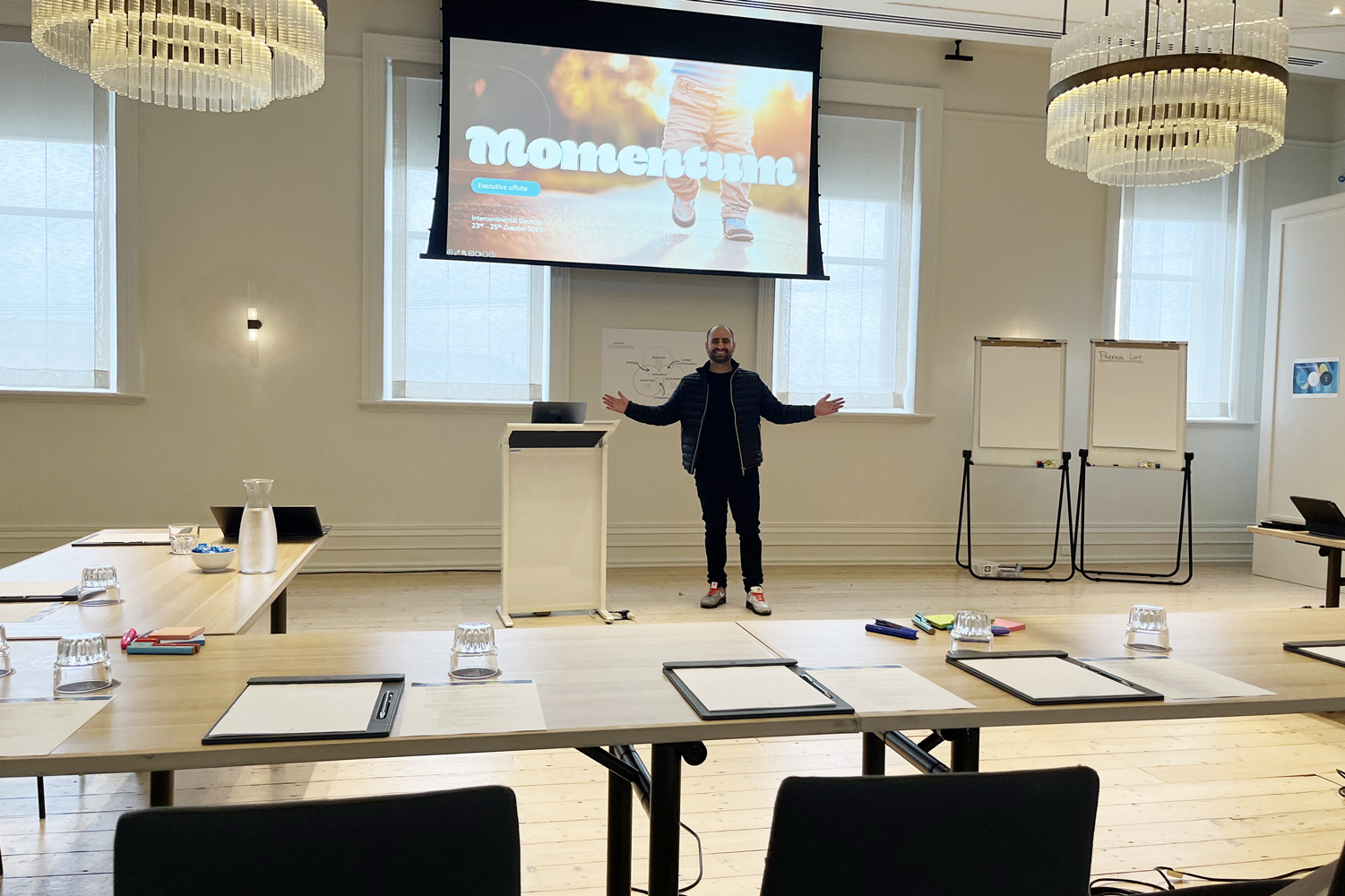
Stage 3: Reset
Aligned Direction
We commit to a realistic delivery path and a better way of governing change.
Clarity is individual understanding.
Alignment is collective understanding.
And successful projects require both.
Who is this for?
The Project Delivery Reset is designed for:
CEOs
Managing Directors
Chief Operating Officers
Executive Leadership Teams
Transformation Leaders
Project Sponsors
Business Owners leading significant change

Particularly those preparing for:
ERP implementations
Ecommerce migrations
Mar-tech implementations
Digital transformation programs
Major systems upgrades
Organisational restructures
Large-scale operational change
Trusted by
























What others say
We ask for feedback as part of our regular process. We're always looking for 'what worked' and why.
I'm forever indebted to Leonie for all her donated time and expertise and know for a fact that GG's wouldn't be where we are today without her unwavering support. Because of Leonie's support, GG's has employed over 20 people with special needs and ensured that the business can continue to provide a compassionate, caring and supportive workplace for those that would otherwise be excluded from the workforce. I thank my lucky stars every day for the opportunity to have Leonie by my side and look forward to growing the business nationally with her support.

What made Leonie’s contribution so impactful wasn’t just her expertise—it was her presence. She has a rare ability to create a space where people feel safe to speak openly, reflect honestly, and connect deeply.

Leonie really helped me articulate points/scenarios that were percolating within myself in a simpler, persuasive manner. She really helped me reframe points/thoughts to gain a better outcome for myself or stakeholders/the business. Overall a thoroughly enjoyable experience that was fluid enough with just enough structure to really take it to wherever I needed to in that session.

6R provided valuable assistance to Aje during their project’s discovery and documentation process. Leonie’s knowledge of the retail industry and ability to champion discipline and structure helped the team ask the right questions, create buy-in and understanding, and set the tone for the project’s success.”

We started work with 6r during a challenging period where to maintain the businesses revenues we needed to implement Ship from Store processes in a very short time frame. 6r oversaw the whole project and ensured that all stakeholders understood what needed to be done while meeting a deadline of 11 days

“I wanted to share thanks and appreciation for all the planning, diligence, care and intelligence you bring to our team every day. You are a driving force in supporting our strategy and vision and we are all the richer for having you in our team. We are truely thankful for your relentless dedication to our people and projects.”

FAQs
Find answers to common questions about our systems selection process.
Who needs to be in the room for this to be worthwhile?
The day is designed for the senior leaders who can actually make trade offs and sponsor delivery:
• Executive sponsor (CEO, COO or equivalent)
• Heads of impacted teams like Operations, Planning, Supply Chain, Merchandising
• Finance, IT, Digital, and Customer, Stores
• Anyone who currently chairs or heavily shapes project governance forums (eg PMO lead, transformation lead)
Research on transformation and change shows that outcomes depend heavily on aligned, active leadership at this level; if these people are not in the room, decisions will stall later anyway.
What happens if one or two key people can only attend part
of the day?
The day can still run, but it will change what can be decided. If one or two key leaders can only attend part time: they are brought in for the trade off and commitment pieces, and their role in the delivery system is made explicit so they leave with clear responsibilities.

How much preparation time do you need from our people?
Preparation is deliberately lean to respect people’s time:
• A short scoping conversation with the sponsor and other key people.
• Sharing existing artefacts: current project list, any project documentation, systems overview diagram, an org chart, and 1–2 recent project packs.
• Optionally, a brief pulse survey or a handful of short interviews with key leaders.
For most teams, this equates to a few hours across the fortnight before the session. The aim is to use what already exists and turn it into better decisions, not to ask your people to create more documents for the day.

What if the day surfaces tensions we can’t resolve in the room?
If we can’t resolve an issue in the room, it is turned into a decision or risk with a named owner, a timeframe and clear next steps. That way, you leave with a clear picture of where decision are needed.
What kind of follow-up support do you provide if we want help beyond the day itself?
The day includes a summary of decisions and one review conversation to test early progress and refine the roadmap.
Beyond that, additional support can include:
• Coaching for sponsors and project leads, to help them turn their commitments into daily behaviours.
• Light-touch portfolio governance support, to embed the new cadence of prioritisation and review.
• Targeted help for specific projects (for example, a cutover rehearsal or a project reset).
Any further support is scoped separately so you stay in control
of cost and focus.
Does the fee include help to socialise the outcomes with people who were not in the room?
Yes. The deliverables are designed to be used beyond the workshop.
As part of the fee you receive:
• A clear, senior friendly summary pack that explains the “why”, the
decisions made, and what changes for teams.
• Suggested talking points for the sponsor to use in town halls, leadership forums or written updates, aligning with proven practices for effective sponsorship and communication.
If you would like more hands on help to cascade the messages (e.g.
facilitated sessions with middle managers or project teams) that
can be added as a separate, optional piece of work.
Still have questions?
I'm here to help.
Investment
Half-Day Reset Sprint
Ideal for leadership teams seeking a focused reset around a specific project.
Includes:
• Half-day facilitated workshop
• Pre-session review
• Project delivery canvas
• Leadership commitments
• Summary pack
INVESTMENT
AUD$5,500 + GST
Full-Day Project Delivery Reset
Ideal for leadership teams needing broader portfolio visibility and sequencing decisions.
Includes:
• Full-day facilitated workshop
• Portfolio mapping
• Delivery capability assessment
• Deep-dive project review
• Summary pack
• Follow-up review session
INVESTMENT
AUD$8,000 + GST

About Leonie
Leonie McCarthy
Leonie McCarthy is an experienced project and change leader who has spent two decades guiding Australian retail organisations through complex technology transformations. Her expertise spans ERP implementations, platform migrations, e-commerce deployments, and multi-site retail change initiatives.
She's worked alongside prominent brands navigating substantial business transformation, consistently helping organisations align technology with business objectives whilst building teams that genuinely perform.
"I developed the Momentum framework because I've watched too many talented people struggle unnecessarily. This reference gives you the tools to lead with genuine confidence - and deliver results that matter."
Ready to take control of your projects?
Let's talk about where you are now and where you want to be.


© LeonieM 2026
All Rights Reserved.
We acknowledge the Traditional Custodians of the land on which we work live and play, and pay our respects to Elders past, and present.